
Cornrows for alopecia in Cheverly: Hair extensions, prices, and aftercare
By Julia mag glamour | September 24, 2026
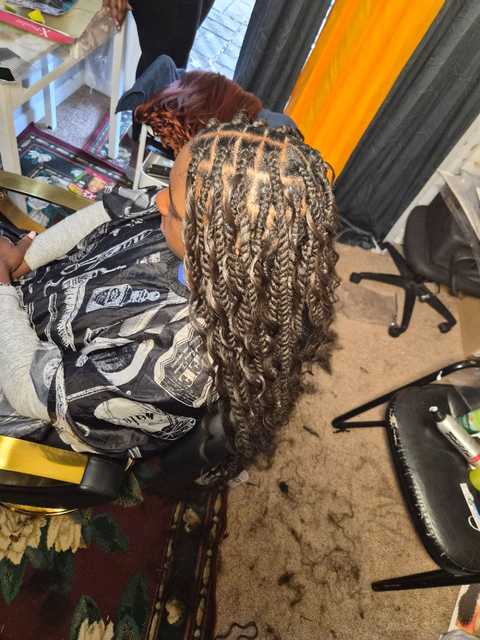
One of my regulars has been coming to Nadia for 3 years and told us her hair is “super healthy and getting longer after every hair design.” That long-term consistency matters when you’re comparing hair extensions in Cheverly. Here’s the answer up front: hair extensions include tape-in, sew-in (weave), micro-link/loop, and clip-in options. I’ll help you choose based on hair density, lifestyle, budget, and how long you want to wear them. If you’re searching for cornrows for alopecia, or you’ve typed “hair braiding near me” because you need coverage that still looks like you, you’re in the right place.
I’m right here in Cheverly, on the Cheverly, MD area, and I see a lot of commuters who want styles that hold up through Mid-Atlantic humidity, plus students who want quick weekend consults. I’ll break down types, realistic maintenance, and the questions you should ask before you commit.
Hair extensions and protective styles: what people are really trying to solve
Most people don’t come in asking for “extensions” in a vacuum. You’re trying to fix something. Sometimes it’s breakage and you want a low-manipulation style. Sometimes it’s thinning edges, traction concerns, or alopecia and you want coverage that doesn’t feel heavy or obvious. And a lot of times it’s simple: you want braids that look neat, last, and don’t take all day.
Quick reality check: Mid-Atlantic humidity can puff out blends fast. The right install and the right at-home drying routine matter just as much as the hair you pick.
In the Cheverly, MD area, a lot of my clients come in from Landover, Hyattsville, Bladensburg, Riverdale Park, New Carrollton, and College Park. Orange Line and Beltway access makes it easier to book around work, so I keep my timing tight and I don’t drag appointments out.
Two Cheverly favorites: locs retwist support and alopecia-friendly coverage
Dreadlocks retwist and interlock
If you’re wearing locs and you want them to look clean without stressing your roots, I’ll look at your current loc pattern and decide if a retwist, interlock, or extension support makes the most sense. Loc extension work is priced after I see your length and how much volume you want, because that’s what actually drives time and materials.
Best for: Loc wearers who want neat roots, steady growth habits, and a plan for extension length that still matches your natural base.
Alopecia Hair Style
This is my protective styling service for clients dealing with alopecia hair loss. I work carefully around thinning or bald areas, focusing on coverage and comfort first. Pricing starts at $200 and up, depending on how much coverage you need and what style we choose.
Best for: People searching for box braids alopecia, box braids with alopecia, or cornrows for alopecia who want a discreet look that doesn’t feel tight.
And yes, I also do braids styling like Box Braids, Knotless Braids, Sister Micro Braids, goddess braids, boho braids, lemonade braids, Kinky Twist, and marley twists. If you’ve been searching “braids near me” or “conrows near me, ” tell me what look you’re going for and how long you need it to last.
Real-world results I hear most: healthy hair, compliments, and fast appointments
I’m big on results you can actually feel day-to-day. People come back because the work holds up, the parts are neat, and the tension stays reasonable. I also hear the same themes over and over: my braider is “time conscious, ” “neat, & gentle, ” and people start getting “lots of compliments” after an install.
“I love my braids! She did them in an amazing time frame, was neat, & gentle. She ensured that she knew exactly what I wanted, too! Book now!”
, a first-time client
For alopecia-focused styles, the win is usually confidence and coverage that looks intentional, not like you’re hiding something. For locs retwist work, the win is consistency. One long-time client even called Nadia’s hands “magic” and said her hair has been getting longer while staying healthy. That’s the goal, especially if you rotate between hair extensions and protective styles through the year.
Tape-in vs sew-in vs micro-link vs clip-in: the quick comparison people want
Tape-in hair extensions (fast blends)
Tape-ins are great when you want a quick, flat blend with less bulk. Maintenance is usually a move-up or tape replacement every 6 to 8 weeks. If you sweat a lot or you’re dealing with humidity frizz, you’ll need a solid drying routine so the adhesive area stays clean.
Sew-in (weave) extensions (longer wear)
Sew-ins hold up well when you want longer wear and you don’t want to handle your natural hair daily. Plan for re-tightening every 6 to 10 weeks. If you’re looking for more protection, your braid pattern and how we seal the track area matters.
Micro-link/loop extensions (no adhesive)
Micro-links skip glue and tape. They work best when your hair has enough density to support the bead area. Maintenance tends to be a move-up every 6 to 8 weeks, and you’ll need to keep detangling consistent to avoid matting around the links.
Clip-in extensions (occasional volume)
Clip-ins are the go-to when you want volume for an event and you don’t want long-term wear. They’re also a smart choice if you’re easing into hair extensions near me searches and want something removable while you learn what you like.
Local pricing range: In this area, hair extensions pricing varies a lot based on hair type, amount of hair, and install method. I’ll give you a clear number after I see your hair and the look you want. For alopecia-focused protective styling, pricing starts at $200+.
Mid-Atlantic humidity aftercare: keep the blend, protect the install
Humidity is the part people underestimate. It can lift frizz around leave-out, puff out braids, and keep your roots damp longer than you think. My rule is simple: keep your scalp clean, dry your hair thoroughly, and don’t overload products trying to fight the weather.
Drying matters more than the brand name
After washing, focus on getting the base dry, especially with sew-ins and braids. Towel-blot, then use a hood dryer or diffuser when you can. If you go to bed with damp roots, that’s when odor and itch can show up fast.
- Keep oils light at the scalp so buildup doesn’t sit under extensions.
- Use a satin scarf or bonnet to keep parts neat and reduce friction.
- If your leave-out frizzes, a small amount of anti-humidity serum goes further than piling on cream.
What happens when you sit in my chair on the Landover Road corridor
When you sit down, the first thing I do is look at your hair density, your scalp, and any sensitive areas. If you’re coming in for cornrows for alopecia or you’ve had tension issues in the past, I’m paying extra attention to how your hair responds as I part and prep.
Next, we get specific about the look: what you want to cover, how you wear your hair day-to-day, and how much maintenance you’re realistically going to do. I’ll also tell you what won’t work for your hair. That honesty saves you money and protects your hair.
Install time depends on the style. Some braid styles are quick, and yes, I’ve had clients tell me they were out “within 2hrs.” Other looks take longer because neat parts and tension control take time. Either way, I stay time-conscious so you can get back on the road without your whole day disappearing.
Why people keep coming back to Julia mag glamour (and what to ask at your consult)
I’ve been doing this work in Cheverly for 3 years, and repeat clients are the biggest sign I’m doing it right. I hear it directly: people say I’m professional, respectful, and affordable. They also mention attention to detail, free-styling, and being able to mimic designs when you bring a reference.
If you’re comparing hair braiding options, here are the questions I want you to ask, even if you’re still searching “hair braiding near me” and narrowing it down:
- How will you match hair texture and color so it blends in humidity?
- How do you remove this install safely, and do you offer removal help?
- What’s the maintenance timeline, and what signs mean it’s time to come back in?
- If I have thinning edges or alopecia, what styles do you recommend that won’t feel tight?
If you’re near the Cheverly, MD area and you want a drop-in consult vibe on the Cheverly, MD corridor, reach out with a photo of your current hair and the style you want. I’ll tell you what’s realistic, what will last, and what will keep your hair healthy between visits.
FAQs: hair extensions, timing, and braids for alopecia
How much do hair extensions cost in Cheverly?
Pricing depends on method, how much hair you need, and the time it takes to install. I’ll quote you after a quick look at your hair and your goal. For my Alopecia Hair Style protective styling, pricing starts at $200 and up.
Which type of hair extensions is best for thin hair?
Thin hair usually does best with low-bulk options and careful tension control. Tape-ins can work well for a flat blend, and clip-ins can be a good occasional option. If you’re dealing with thin areas due to alopecia, I’ll point you toward protective styling choices that focus on coverage and comfort first.
How long do tape-in hair extensions last?
Tape-ins are typically moved up or have tape replaced every 6 to 8 weeks. How long you can wear the hair overall depends on your upkeep and how well you keep the base clean and dry.
Can I swim or work out with hair extensions?
Yes, most people still work out. The key is drying thoroughly afterward and keeping buildup down at the base. Swimming adds chlorine or salt, so you’ll want to rinse, cleanse as needed, and dry well so moisture doesn’t sit in the install.
How long does a hair extensions installation appointment take?
It depends on the method and how much hair you’re adding. Some braid styles move fast, and I’ve had clients say they were out within about 2 hours. More detailed installs and coverage-focused work can take longer because I won’t rush the foundation.
Can box braids work with alopecia?
Box braids alopecia situations need extra care. If box braids make sense for your pattern of hair loss, I’ll keep tension low and focus on coverage. If they’re not the best choice for your scalp, I’ll recommend a different protective style that looks good without stressing the area.
Can I get box braids with alopecia without making it worse?
Box braids with alopecia can be done thoughtfully, but the details matter. I avoid unnecessary tension, I don’t braid too small in fragile areas, and I’ll talk you through maintenance so your scalp stays calm between appointments.
